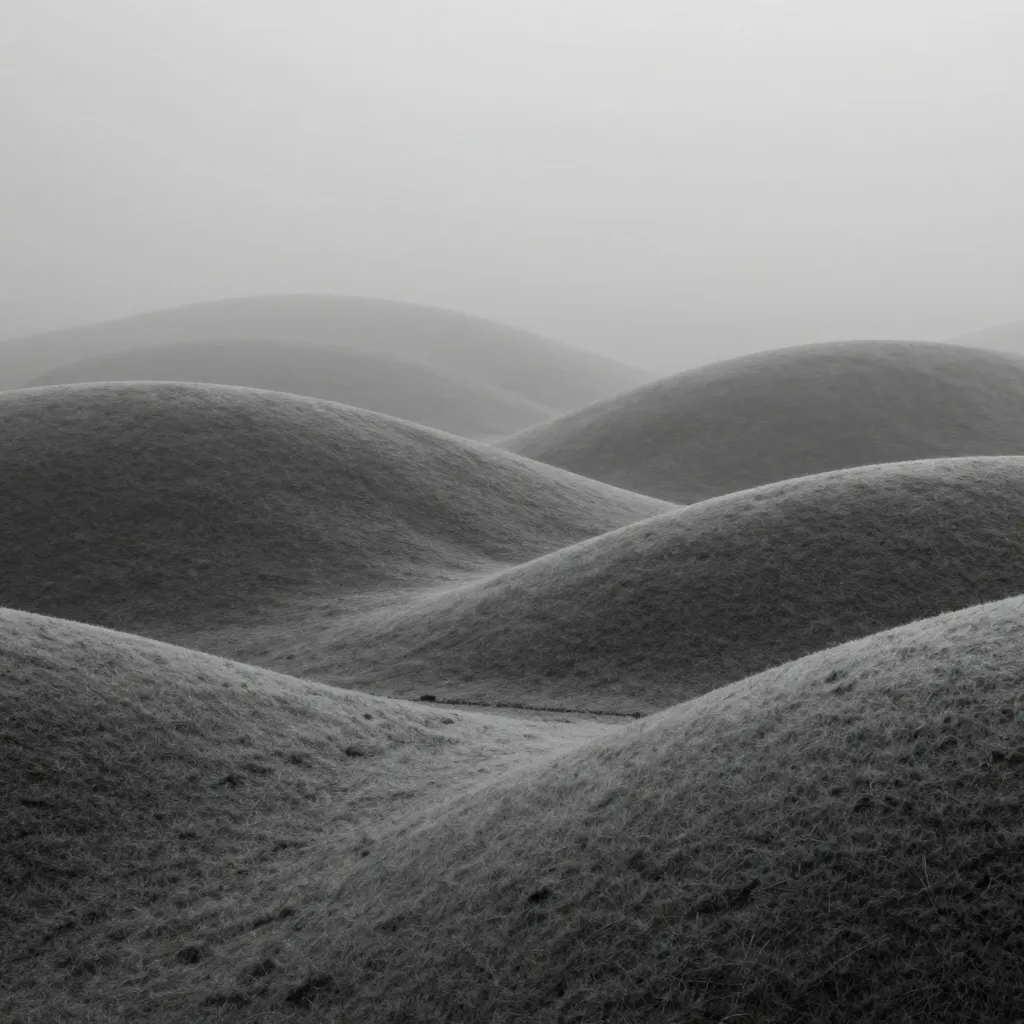
Lamb is the meat of yielding. For eleven millennia, humans have prized it for what it surrenders: wool, milk, skin, and finally flesh. The animal's cultural weight—sacrificial victim, paschal symbol, feast centerpiece—derives from this quality of submission. Softness is not incidental to lamb; it is the point.
This protocol anatomizes that softness. We trace its forms: the protective give of fat beneath crisp skin, the tension where seared exterior meets raw interior, the viscous collapse of collagen under slow heat, the aerated dissolution of fermented milk. Four courses, four states of yielding.
The inquiry is structural, not sentimental. Softness is a mechanical property before it is a poetic one. What breaks down, and how? What resists? The protocol documents these thresholds.